

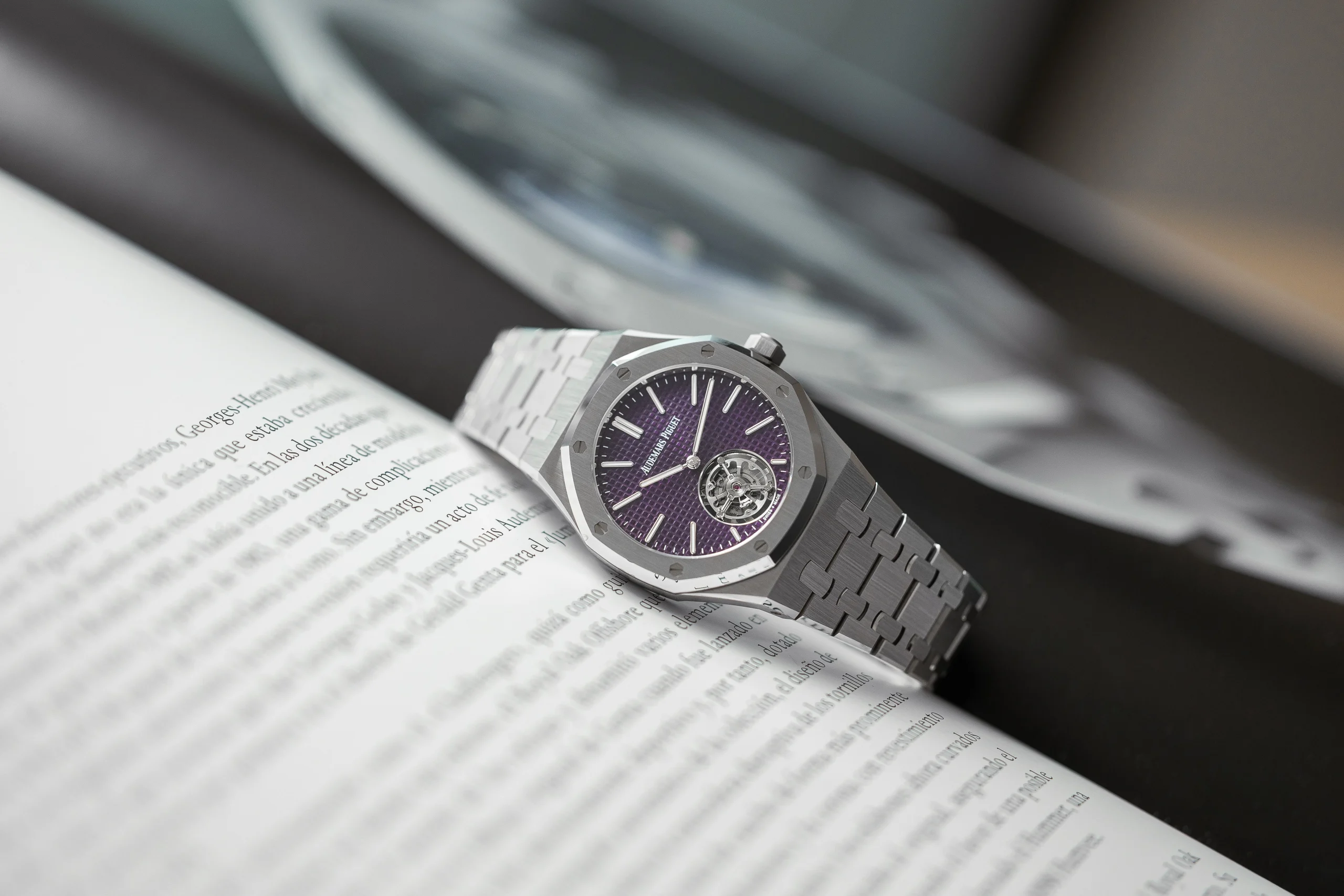
What Is a Tourbillon and Why Is It So Expensive?
A tourbillon is more than just a complication—it’s a symbol of horological mastery, a mechanical ballet that has captivated watch enthusiasts for over two centuries. But what exactly is a tourbillon, and why does it command such astronomical prices? Let’s dive into the intricate world of this legendary mechanism.
The Origins of the Tourbillon
The tourbillon was invented in 1795 by Abraham-Louis Breguet, one of the most celebrated watchmakers in history. Breguet designed this mechanism to counteract the effects of gravity on pocket watches, which were typically worn vertically in a vest pocket. By placing the escapement and balance wheel in a rotating cage, the tourbillon averages out positional errors, theoretically improving accuracy.
Today, while the practical need for a tourbillon in wristwatches is minimal due to their varied orientations, its presence remains a hallmark of technical prowess and artistic expression.
How Does a Tourbillon Work?
At its core, a tourbillon is a rotating cage that houses the escapement and balance wheel. This cage typically completes one full rotation per minute, constantly changing the position of the components to negate the effects of gravity. The result is a mesmerizing visual display of precision engineering.
- Escapement: The mechanism that transfers energy to the balance wheel, regulating the watch’s timekeeping.
- Balance Wheel: The oscillating component that ensures consistent timekeeping.
- Rotating Cage: The tourbillon’s defining feature, which rotates to average out positional errors.
Why Are Tourbillons So Expensive?
The cost of a tourbillon watch is not just about the mechanism itself—it’s about the craftsmanship, innovation, and exclusivity that come with it. Here are the key factors driving up the price:
1. Complexity of Design and Assembly
Creating a tourbillon requires extraordinary skill and precision. Each component must be meticulously crafted and assembled by hand, often taking months to complete a single movement. The intricate nature of the mechanism means that even the slightest error can compromise its function.
2. Limited Production
Tourbillon watches are produced in extremely limited quantities, making them rare and highly sought after. Brands like Patek Philippe, Audemars Piguet, and A. Lange & Söhne often produce only a handful of tourbillon models each year, adding to their exclusivity.
3. Prestige and Heritage
Owning a tourbillon is a statement of sophistication and appreciation for horological artistry. Brands leverage their heritage and reputation to justify the premium pricing, as these watches are often seen as investments or heirlooms.
4. Innovation and Materials
Modern tourbillons often incorporate cutting-edge materials like silicon or titanium to enhance performance and reduce weight. Some brands also experiment with multi-axis tourbillons or flying tourbillons, further pushing the boundaries of watchmaking.
The Visual Appeal of a Tourbillon
One of the most captivating aspects of a tourbillon is its visual allure. The rotating cage, often visible through a sapphire crystal caseback or dial, creates a hypnotic effect that draws the eye. This aesthetic appeal is a significant part of its value, as it transforms the watch into a piece of wearable art.
Types of Tourbillons
Not all tourbillons are created equal. Here are some of the most notable variations:
- Classic Tourbillon: The traditional single-axis design.
- Flying Tourbillon: A tourbillon that appears to float, as it is only supported on one side.
- Double-Axis Tourbillon: A more complex design that rotates on two axes for enhanced precision.
- Triple-Axis Tourbillon: The pinnacle of tourbillon complexity, rotating on three axes.
Are Tourbillons Worth the Investment?
For collectors and enthusiasts, the value of a tourbillon extends beyond its price tag. It represents the pinnacle of watchmaking artistry and a connection to the rich history of horology. While some may argue that modern technology has rendered the tourbillon obsolete in terms of functionality, its symbolic and aesthetic value remains unparalleled.
When considering a tourbillon purchase, it’s essential to focus on the brand’s reputation, the craftsmanship of the movement, and the overall design of the watch. A well-chosen tourbillon can be a timeless addition to any collection.
Final Thoughts
The tourbillon is more than just a complication—it’s a celebration of human ingenuity and the relentless pursuit of perfection. Whether you’re a seasoned collector or a curious enthusiast, understanding the intricacies of a tourbillon deepens your appreciation for the art of watchmaking. While its price may be steep, the experience of owning and wearing a tourbillon is truly priceless.
So, the next time you see a tourbillon in action, take a moment to admire the craftsmanship and history behind it. After all, it’s not just a watch—it’s a masterpiece on your wrist.
Buyer Tip: What to Look for in a Tourbillon Watch
When shopping for a tourbillon, consider the following:
- Brand Reputation: Choose a brand known for its expertise in tourbillon craftsmanship.
- Movement Quality: Inspect the finishing and precision of the tourbillon mechanism.
- Design and Aesthetics: Ensure the watch aligns with your personal style and preferences.
- Investment Potential: Research the brand’s history and the model’s rarity to gauge its long-term value.
Remember, a tourbillon is not just a purchase—it’s an investment in art, history, and engineering excellence.